

Quick Navigation
In the competitive corporate world, success depends on more than just hard work and strategy; the environment in which you work plays a pivotal role. Vastu Shastra, the ancient Indian science of architecture, offers profound insights into spatial arrangement to harmonize energy flow. By aligning your office seating with Vastu principles, you can enhance focus, reduce stress, and drive financial growth.
Here is your comprehensive guide to optimizing your office seating for maximum productivity.
The Power Position: Seating for the CEO or Owner
- Direction to Face: When seated, the leader should face North (associated with the Lord of Wealth, Kuber) or East (associated with the Sun and growth).
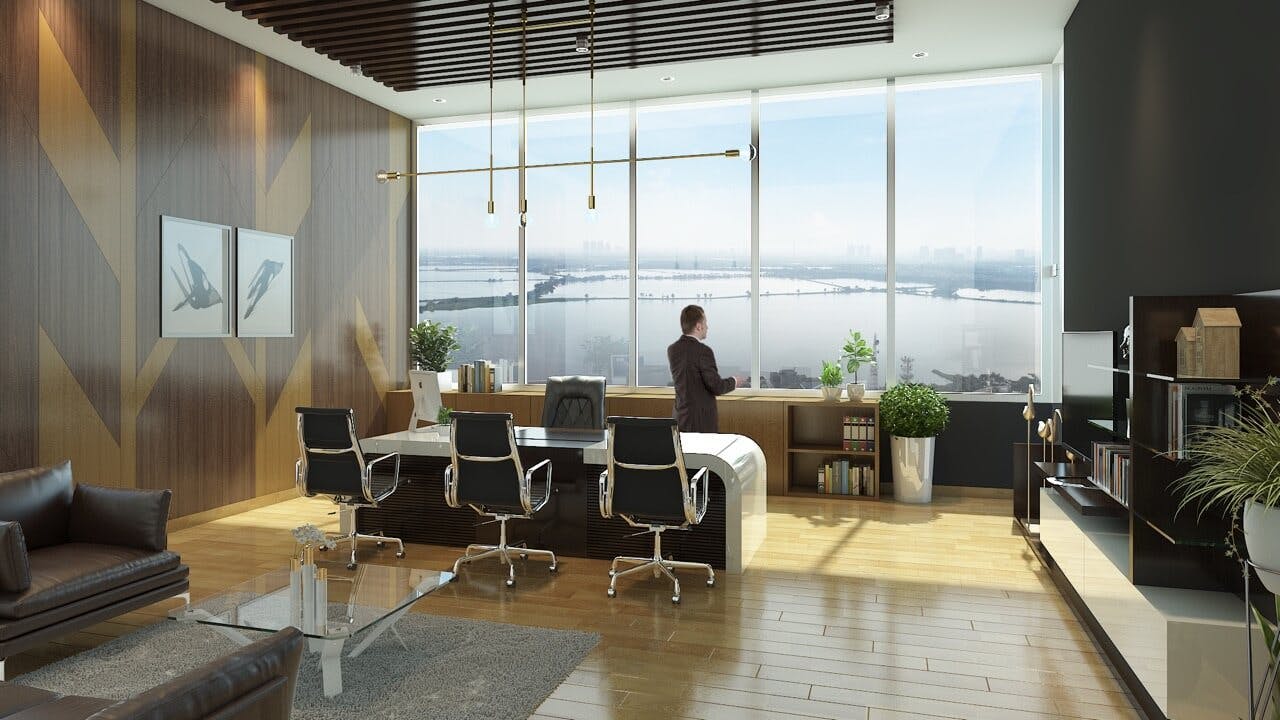
- The Setup: Ensure there is a solid wall behind the chair to symbolize support. Avoid having a window or glass partition directly behind your back, as it can lead to a lack of backing in business deals.
Seating for Employees and General Staff
To ensure high productivity and prevent fatigue, the broader workforce should be seated in the North or East sections of the office.
- Direction to Face: Employees should face North or East while working. These directions are believed to improve focus, mental clarity, and efficiency.
- What to Avoid: Employees should avoid facing South or West, as these directions can sometimes lead to lethargy or a lack of focus depending on their specific job roles.
Department-Specific Zoning
- Sales and Marketing: Place this team in the Northwest zone. This direction is governed by the Air element (Vayu), which facilitates movement, communication, and networking—essential traits for driving sales.
- Accounts and Finance: Because this department handles the cash flow and stability of the company, they should ideally be seated in the North (the zone of wealth) or the Southeast (the zone of Fire/Agni, representing cash flow).
- Creative Teams: Individuals involved in design, writing, or creative problem-solving benefit from sitting in the East, the direction of new beginnings, enlightenment, and fresh ideas.
Critical Vastu “Don’ts” for Office Seating
Even if you get the zones right, a few common layout mistakes can disrupt the workflow:
- Avoid Overhead Beams: Never place a desk directly under an overhead beam. This exerts “heavy” energy, causing unnecessary stress and hampering clear decision-making.
- Watch the Entrance: Do not sit with your back facing the main entrance. This position is considered vulnerable and blocks you from welcoming new opportunities.
- Keep Desks Simple: Stick to regular shapes like squares or rectangles for work desks. Irregular or L-shaped desks can create confusion and unnecessary delays in your work.
Finding the Right Space for Your Growth
Applying these Vastu principles is easiest when you start with a property that has “good bones” and a favorable layout. Finding a compliant commercial space can be challenging, but it is the critical first step toward building a prosperous business.
Looking for the perfect commercial space?
If you are searching for a property that aligns with your business needs and Vastu goals, visit propserve.in. With 20 years of experience in the industry, we are a proud RERA registered organisation. The best part? We charge no brokerage, ensuring you get the absolute best deal for your business without any hidden costs. Contact Us Now
Conclusion
Integrating Vastu Shastra into your office layout is not about superstition; it is about creating a psychological and spatial balance that fosters well-being. By placing the right people in the right zones—such as your CEO in the Southwest and your sales team in the Northwest—you create a workspace that naturally supports productivity, harmony, and long-term success.
The Propserve Advantage: Your Commercial Vastu FAQs Answered
1. What is the best direction to face while working in an office?
According to Vastu Shastra, employees should ideally face North or East while seated at their desks. Facing North attracts financial growth and career stability (as it is ruled by Kuber, the Lord of Wealth), while facing East fosters fresh ideas, mental clarity, and higher productivity.
2. Where is the ideal seating position for a CEO or business owner?
The head of the company should occupy the “Power Position,” which is the Southwest (Nairutya) cabin of the office. The desk should be arranged so that the owner faces North or East while working. It is also crucial to have a solid wall behind the chair, rather than a glass window, to signify strong backing and stability.
3. Which Vastu zone is best for the Sales and Marketing team?
The Northwest (Vayavya) zone is governed by the Air element, which represents movement and networking. Seating your sales and marketing professionals in this area naturally stimulates dynamic energy, helping them drive outreach, secure contracts, and generate new business.
4. Where should the Accounts and Finance department sit?
Because this team manages the company’s financial health, they should be placed in either the North (the zone of wealth) or the Southeast (Agneya) (the zone of Fire, representing active cash flow). They should sit facing North or East to ensure precision and prevent unnecessary expenditures.
5. Why does Vastu advise against sitting under exposed beams?
Sitting directly beneath an overhead beam is considered a major Vastu “Dosha.” Beams exert heavy, downward energetic pressure that can cause subconscious stress, headaches, and a feeling of being burdened, ultimately clouding an employee’s decision-making ability.
6. Can Vastu principles be applied to small or shared workspaces?
Absolutely. Even in a compact office, the core principles remain the same. Ensure desks are rectangular or square (avoiding irregular shapes), position workstations so employees face North or East, and keep the environment clutter-free to allow positive energy to circulate smoothly.


Join The Discussion